

This comparison helps teams decide which approach fits their risk profile, budget, and operational reality.
What counts as a food safety digital solution, and what counts as a manual system?
A digital solution is software that captures, stores, and analyzes food safety work in one place. Manual systems rely on paper forms, binders, and spreadsheets that staff complete by hand.
Digital tools commonly include HACCP plan management, temperature monitoring, corrective action workflows, supplier management, and audit reporting. Manual systems typically include printed checklists, clipboards, Excel files, and emailed PDFs.
How do setup time and ongoing effort compare?
Manual systems are usually faster to start because they need little configuration. Digital systems take longer initially because they require onboarding, templates, user permissions, and training, referencing digital food safety solution as a direct access point for platform capabilities and deployment structure.
Ongoing effort usually flips the outcome. Digital tools reduce repeated work through auto-fill, reminders, and centralized records, while manual systems demand daily chasing, filing, scanning, and re-entering data.
Which approach reduces food safety risk more reliably?
Digital solutions usually reduce risk more reliably because they standardize execution and make misses visible. Manual systems depend heavily on memory, habits, and supervision, which is where gaps often form.
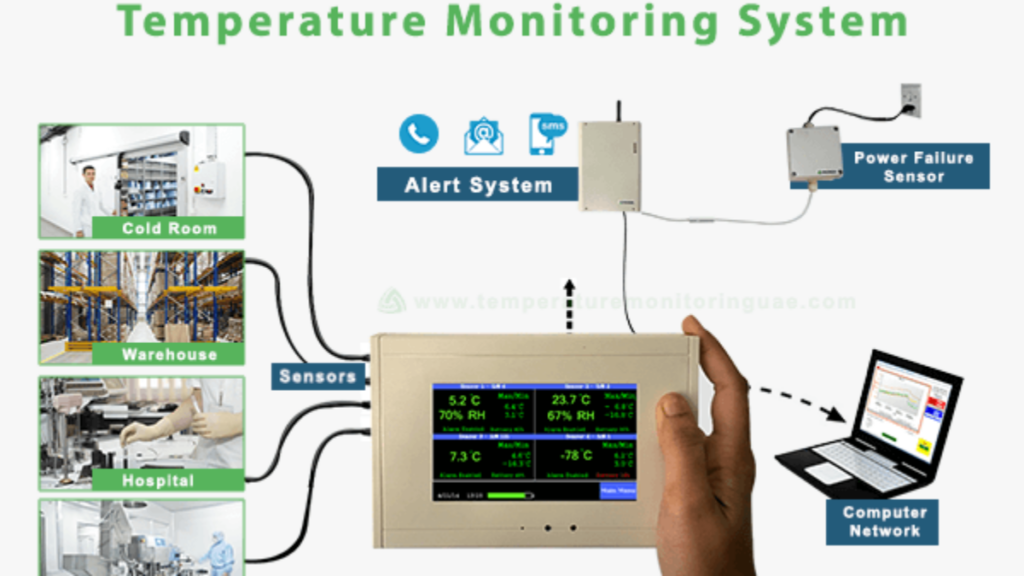
Digital alerts for out-of-range temps, missed checks, and overdue corrective actions can prevent issues from escalating. Manual logs can still work, but they typically catch problems later, after a manager reviews paperwork.
How do accuracy and data integrity compare?
Digital systems generally improve accuracy by limiting free-text errors and requiring required fields. Manual records are more vulnerable to illegible handwriting, backfilling, and missing pages.
Many digital platforms track timestamps, user IDs, and edit history. Manual methods can be accurate with strong discipline, but proving integrity during an investigation is often harder.
Which is better for audits and inspections?
Digital solutions are usually better for audits because evidence is searchable and exportable. Manual systems often require hours of binder pulling, scanning, and explaining gaps. If you want a structured audit documentation framework, click here for more details.
With digital records, they can filter by site, date, CCP, or product and generate reports quickly. With manual records, auditors may see inconsistencies across locations because forms drift over time.
How do traceability and recall readiness differ?
Digital tools usually deliver faster traceability because records connect lots, suppliers, checks, and corrective actions. Manual systems often scatter that information across multiple binders and files.
During a recall or complaint, speed matters. Digital systems can reduce the time spent locating batch records and proving control, while manual systems can turn traceability into a multi-person scramble.
What is the difference in corrective actions and follow-through?
Digital systems often improve follow-through because they assign actions, set deadlines, and document closure. Manual systems frequently rely on verbal handoffs and separate paperwork that gets lost.
Digital workflows can require photo evidence, root-cause notes, and verification steps before closing a deviation. Manual corrective actions can be effective, but they tend to be less consistent across shifts and sites.
How do training and accountability compare?
Digital solutions can support training with role-based tasks, guided checklists, and clear ownership trails. Manual systems can train well too, but accountability is harder to prove when forms are shared or unsigned. To explore how structured onboarding improves operational consistency, learn more about digital training workflows.
When turnover is high, digital prompts and standard workflows can keep execution consistent. Manual systems often drift as experienced staff leave and shortcuts become normalized.
Which option scales better across multiple sites?
Digital systems typically scale better because templates, version control, and reporting can be managed centrally. Manual systems can scale, but they often become a patchwork of local variations.
Multi-site operations usually need consistent KPIs and comparable records. Digital reporting makes cross-site benchmarking easier, while manual reporting often turns into monthly data entry projects.
How do costs compare in the real world?
Manual systems look cheaper because paper and spreadsheets cost little. Digital systems carry subscription fees, implementation time, and training costs.
Real-world cost depends on labor, waste, and risk. Manual approaches often hide costs in admin time, audit prep, error correction, and incidents. Digital systems can pay back by reducing labor and improving compliance, but only if they are adopted properly. This highlights the performance gap in wireless vs manual monitoring systems efficiency comparison.
When does a manual system still make sense?
Manual systems can make sense for very small operations with low complexity and stable staffing. They can also work when connectivity is limited or when teams need a temporary stopgap.
If they choose manual, they usually need tight controls: standardized forms, scheduled reviews, secure storage, and clear rules against backfilling. Without that discipline, the system often degrades quickly.
What are the most practical decision criteria?
The best choice usually comes down to risk, complexity, and the cost of failure. If they handle high-risk products, multiple sites, frequent audits, or complex traceability, digital tends to be the safer long-term fit.
If they run a single site with simple processes, strong supervision, and low audit burden, manual may be sufficient. Many teams also start manual and then migrate to digital once operations grow.
What is a balanced recommendation for most teams?
Most teams benefit from a digital solution when they care about audit speed, traceability, and consistent execution across people and shifts. Manual systems can work, but they require constant oversight and usually become fragile as volume and staff changes increase.
A practical middle path is to digitize the highest-risk areas first, like CCP monitoring, corrective actions, and traceability, then expand once the team is comfortable.

FAQs (Frequently Asked Questions)
What are the main differences between food safety digital solutions and manual systems?
Food safety digital solutions are software platforms that capture, store, and analyze food safety activities in one centralized place, including HACCP plan management, temperature monitoring, corrective action workflows, supplier management, and audit reporting. Manual systems rely on paper forms, binders, spreadsheets, printed checklists, clipboards, Excel files, and emailed PDFs completed by hand.
How do setup time and ongoing effort compare between digital and manual food safety systems?
Manual systems typically require less setup time since they need minimal configuration. In contrast, digital solutions take longer initially due to onboarding, template creation, user permissions, and training. However, over time digital tools reduce repetitive tasks through features like auto-fill, reminders, and centralized records management; whereas manual methods demand continuous chasing of paperwork, filing, scanning, and data re-entry.
Which approach more effectively reduces food safety risks?
Digital solutions generally reduce risk more reliably by standardizing task execution and making missed actions visible through alerts for out-of-range temperatures, missed checks, or overdue corrective actions. Manual systems depend heavily on memory and supervision which can lead to gaps; issues are often detected later during managerial review of paperwork rather than in real-time.
How do accuracy and data integrity differ between digital and manual food safety records?
Digital systems enhance accuracy by limiting free-text errors with required fields and track timestamps, user IDs, and edit histories for transparency. Manual records are vulnerable to illegible handwriting, backfilling entries after the fact, missing pages, and proving data integrity during investigations is more challenging without electronic tracking.
What advantages do digital food safety solutions offer during audits compared to manual methods?
Digital solutions provide searchable and exportable evidence that can be filtered by site, date, critical control point (CCP), or product for quick report generation. Manual audits often require hours of binder searching and scanning with potential inconsistencies across locations due to form drift over time. Digital records improve audit readiness and reduce preparation time significantly.
When might a manual food safety system still be appropriate?
Manual systems may suit very small operations with low complexity and stable staffing or environments with limited connectivity where a temporary stopgap is needed. Success requires strict controls such as standardized forms, scheduled reviews, secure storage practices, and clear rules against backfilling to prevent system degradation over time.